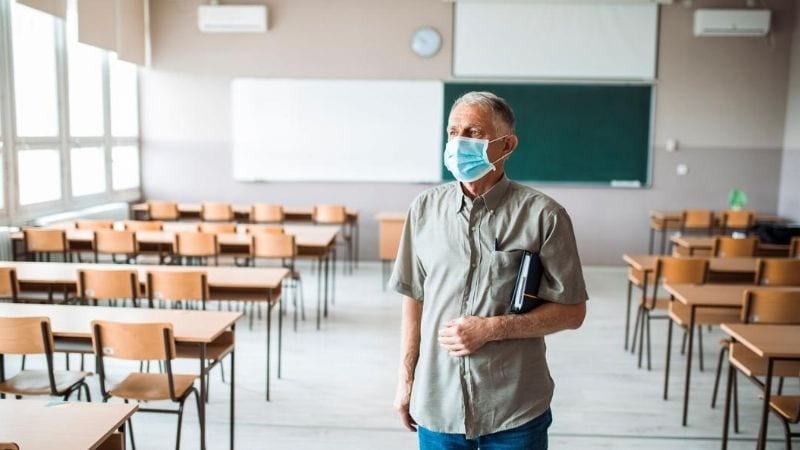
New language guide helps to destigmatize COVID-19

The new tool guides written and digital content about COVID-19 and our lives during the pandemic.

Source: New language guide helps to destigmatize COVID-19

I was surprised by this guide. The press and guide title made me think it would be language used around COVID exclusively, but it is (quietly) an exhaustive 38 page list of words that should not be said or written. Wow!

This concept of overt (within a community) language reconstruction was new to me in 2018 when I attended Urban Ethnographic Language School in Vancouver’s DTES. During the summer, my word choices were frequently corrected by mentors and community members, each time with an explanation why it was better to say it a different way. This became such a recurring theme, that it shaped the ethnography I produced, and the way I think and speak about urban centre street involvement.

The BCCDC Language guide reflects the language shaping practices I witnessed in the DTES. The list is missing a few new terms I learned in 2018 which makes me wonder if they have changed again. Further, the guide lacks an explanation of who made these language use decisions, how the words were selected, and why. All together, this is an excellent read, and a great jump-off point to a sociolinguistic research project.

Episode 152: Creating Moments of Genuine Connection Online | Cult of Pedagogy

  …Needing a more efficient approach, he started experimenting with shorter interactions, limiting them to just 1 to 3 minutes, and tried to see how many students he could realistically and genuinely connect with in a day. It ended up working really well, allowing him to make many more students “feel valued, known, respected, and safe.”

Source: Episode 152: Creating Moments of Genuine Connection Online | Cult of Pedagogy

This podcast explores the personal connections between teacher and student, and explains it’s important to maintain these connections regularly in virtual classrooms. Dave Stuart Jr., a West Michigan high school teacher describes some of the features of holistic education as he explains that students need to feel valued and safe with their teacher to succeed. By engaging students in “moments of genuine connection (MGC)”, problems like a lack of belonging or stereotyping are shut down early.

Stuart offers some practical advice to achieve MGC’s, and my favourite is using the waiting room feature of Zoom to just visit with early comers. Further, he recommends teachers keep a simple written log (or check sheet) of which students you have connected with, so you don’t miss any.

Researchers say more resources needed for English as an additional language students this fall | CBC News

Two researchers say school districts, teachers and families will need more support when returning to school.

Source: Researchers say more resources needed for English as an additional language students this fall | CBC News

This article looks at the EAL education restart in Saskatchewan for the fall of 2020. The author introduces a term called ‘COVID slide’ that refers to students falling behind in their learning goals as a result of school shut downs and the chaotic switch to online classrooms.

The author explains that teachers are faced with “double time” workloads to help students catch up to where they would have been in a physical class. I would argue that while the lesson plans changed and leapt out of the hands of educators for a few months, students have had a crash course in English language around pandemic, ppe, CESB, and everything else going on. Language learning didn’t stop when students were sent home, rather it took on a life of its own.

What a great opportunity for teachers to launch the fall semester online with projects, conversations and assessments using the new language.

We Are Losing Good Teachers Due to COVID, and We May Not Recover

Losing Good Teachers
WeAreTeachers Staff on August 14, 2020

Teaching was already suffering. Then came COVID-19.

Source: We Are Losing Good Teachers Due to COVID, and We May Not Recover 

This article looks teachers over 50 in US public education, explaining that a large number of people will choose to retire during COVID rather than return to the physical classroom or take up skills necessary to teach online.

The BC TEAL Association has worked in tandem with agencies across Canada to aid in re-skilling EAL teachers to deliver effective education online since March 2020. British Columbia EAL teachers have stated in articles and zoom meetings that they are eager and willing to meet the challenges this fall. This field shows every sign of successfully transitioning to online education and flourishing in the coming months and years.

Struggling language schools launch bid to bring 40,000 foreign students to Canada for fall semester | CBC News

Facing financial ruin due to the COVID-19 pandemic, Canada’s language schools have proposed an ambitious plan to bring 40,000 foreign students into Canada over the next few months to learn English and French.

Source: Struggling language schools launch bid to bring 40,000 foreign students to Canada for fall semester | CBC News

Photo: A group of graduates from Mentora Language Academy in Toronto, shown in a photo taken prior to the pandemic. Language schools depend on foreign students coming into Canada, and they’re struggling to survive during the COVID-19 pandemic. (Submitted by Mentora Language Academy)